
 Prabhu Ram
The next $200Bn AI compute opportunity may not be in the data centre, and Arm is gunning for it.
Arm estimates a $25Bn Physical AI compute TAM in 2025, with 2Bn Arm-based devices already shipping into the segment.
𝐖𝐡𝐚𝐭’𝐬 𝐃𝐫𝐢𝐯𝐢𝐧𝐠 𝐆𝐫𝐨𝐰𝐭𝐡
Physical industries spanning mining, manufacturing, logistics and operations represent $75T of the $115T global economy, yet remain underserved by computing.
Arm’s thesis is to bring AI models, compute, sensors and actuators together so machines can sense, reason and act.
𝐖𝐡𝐲 𝐈𝐭 𝐌𝐚𝐭𝐭𝐞𝐫𝐬
Physical AI comes with its own computing constraints. In data centres, scale and throughput dominate. In physical systems, latency, power, safety and weight become critical.
Arm’s Total Design for Physical AI brings together 80+ partners. This includes partners such as Amazon Web Services (AWS), Hugging Face, Siemens, and Unitree Robotics amongst others across the technology stack.
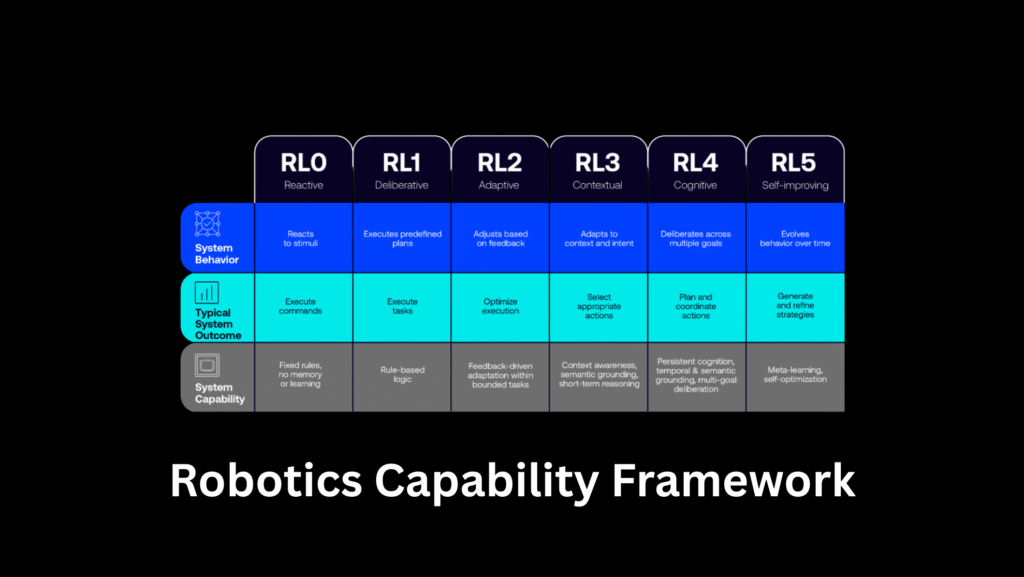
The Robotics Capability Framework (RL0–RL5) adds a common language for defining robotic capabilities. As per Arm, no single company can own the full Physical AI stack, making ecosystem coordination and common standards increasingly important.
𝐓𝐡𝐞 𝐁𝐢𝐠 𝐏𝐢𝐜𝐭𝐮𝐫𝐞
Arm has built this position before, in mobile, by getting underneath the hardware rather than competing with it. Physical AI is the same approach applied to a much harder problem: an ecosystem spanning robotics, automotive and industrial automation, with far less standardisation to build on.
Total Design and the Robotics Capability Framework are the opening moves. Whether they hold will depend on design wins, certified deployments, and, repeat business.


