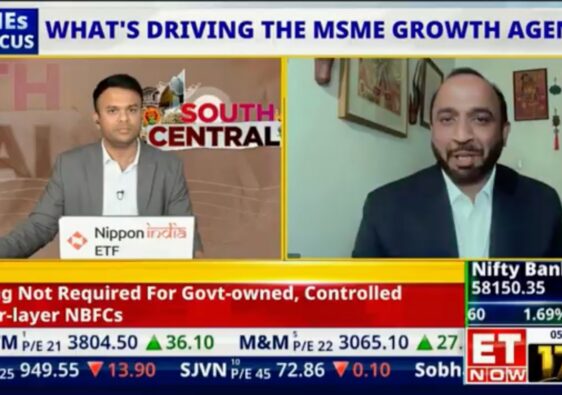
 Prabhu Ram
AI infrastructure has inverted the memory market. Data centers now absorb the bulk of high-grade DRAM supply, and manufacturers have reallocated production away from consumer-grade chips toward higher-margin AI workloads. A standard 32GB DDR4 kit priced at $60-90 last fall now costs $150-180 — a price inversion the industry has termed “RAMmageddon.”

This is not a supply shock. It is a deliberate capacity reallocation. Memory now constitutes roughly 35% of a PC’s bill of materials, up from 15-18% previously. Apple, Dell, HP, and ASUS are passing the cost through via retail price hikes. Budget OEMs are absorbing it differently — holding retail prices flat while downgrading internal specs, a practice best described as spec-shrink.
This marks the first structural collision between the AI infrastructure buildout and the consumer electronics supply chain. The shortage will persist through 2028 and beyond. The broader implication: every layer of the computing stack, not only GPUs, is now subordinate to AI’s demand curve.
I spoke with India Today and shared my perspectives.